Modern Gundog Training Methods That Work
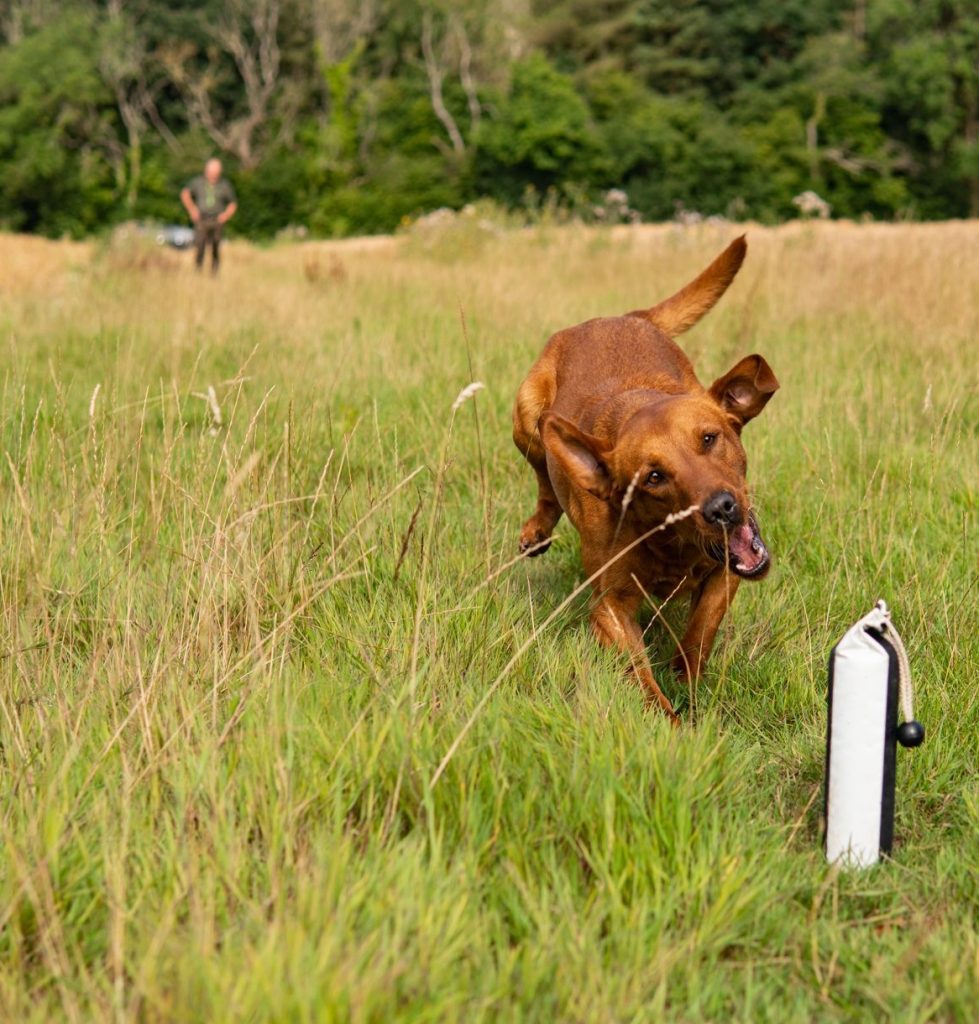
A young spaniel racing towards cover may look full of promise, but natural drive alone does not make a useful gundog or an easy companion. Modern gundog training methods are about shaping that enthusiasm into calm, controlled work: a dog that can switch on when asked, switch off when needed, and remain connected to its handler in both settings.
For Labradors, Cocker Spaniels and Springer Spaniels, the aim is not to dull instinct. It is to give instinct direction. Whether your dog will work on a shoot, join you on country walks or simply live as a well-mannered family pet, the same foundations matter: attention, recall, steadiness, delivery and trust.
What modern gundog training methods really mean
Modern does not mean abandoning the standards that have always made a good gundog. A reliable recall, a clean retrieve and the ability to sit quietly beside a handler are as valuable now as they ever were. What has changed is the way many trainers build those behaviours.
Good modern training usually relies on clear communication, carefully managed set-ups, well-timed rewards and fair, consistent boundaries. Rather than repeatedly putting a dog into situations where it is likely to fail, the handler starts at a level the dog can understand and gradually raises the difficulty.
This matters particularly with high-drive breeds. A keen young Cocker may find a thrown dummy, scent or moving game more rewarding than anything its owner has to offer. Simply repeating a command more loudly will not solve that. The dog needs to learn, through practical repetition, that listening to its handler is the route to the retrieve, the hunt and the freedom it enjoys.
Training should never be a choice between being kind and having control. Dogs benefit from both. Reward tells the dog what it has got right; structure prevents confusion; calm guidance helps it recover when it gets something wrong. The balance will vary with the individual dog, its age, temperament and previous experience.
Start with partnership before performance
A polished retrieve in a training field is satisfying, but it rests on much quieter work. Before asking for distance, distractions or complicated retrieves, make sure your dog understands how to be with you.
That begins with engagement. Your dog should learn that checking in with you has value, whether you are in the garden, on a footpath or beside a busy training line. This does not mean constant chatter or fussing over the dog. Often, a calm handler who is clear about when work begins and ends will hold a gundog’s attention better than one who constantly repeats commands.
Lead work, place-board training, a settled sit and a dependable recall are not separate from gundog work. They are gundog work. A Labrador that drags to every scent, or a spaniel that cannot settle at heel, will struggle to be steady around falling dummies or game.
Puppy training is a sensible place to establish these habits. Short sessions, simple recalls, gentle retrieves and calm exposure to new places give a young dog confidence without demanding too much too soon. At this stage, enthusiasm is useful, but it must be protected. Repeatedly drilling a puppy, throwing long retrieves or testing it around distractions before it is ready can create problems that take far longer to resolve.
Make the right choice easy
One of the most effective modern techniques is to arrange training so the desired behaviour is the easiest option for the dog. If you are teaching steadiness, begin with a dog on a lead or long line, at a distance where it can watch a dummy move without breaking. Reward the sit and the attention before expecting more.
If you are teaching recall, practise before the dog has disappeared into exciting cover. Call it away from something manageable, reward the return, then allow it back to explore where appropriate. The recall should not always signal that all enjoyment has finished.
This approach is not a shortcut. It is careful teaching. Each successful repetition gives the dog a clearer picture of the job.
Reward with purpose, not by accident
Food, toys, praise and access to a retrieve can all be useful rewards. The best choice depends on what motivates your dog in that moment. A food-focused young Labrador may work happily for a small treat during close obedience, while a keen spaniel may value the chance to hunt a patch of cover more highly.
The key is timing. Reward the behaviour you want, not the excitement that follows it. If your dog returns with a dummy, take it calmly, ask for a tidy hold if that is appropriate for its stage of training, then reward the delivery. Avoid turning every retrieve into a noisy celebration that encourages the dog to barge, jump up or spit the dummy out early.
Equally, not every correct response needs a visible reward. Life rewards can be powerful. A dog that sits quietly before being released to retrieve learns that steadiness leads to action. A dog that walks calmly at heel before being allowed to explore learns that self-control brings freedom.
Reward-based work is most effective when it is paired with consistency. If a command is optional on Monday but essential on Saturday, the dog receives mixed information. Use commands you are prepared to follow through on, and keep your expectations suited to the dog’s level of training.
Build steadiness in small, useful stages
Steadiness is often where owners see the difference between a lively pet and a dependable gundog. It is also one of the areas most easily rushed. Asking a dog to sit through multiple thrown dummies when it has not yet learned to wait for one is likely to create frustration, noise or breaking.
Start with stillness. Teach the dog that sitting beside you, on a place board or at heel is a calm and rewarding position. Then add a small distraction: a person walking past, a dummy placed on the ground, or a short, low-key throw. Only increase distance, movement and excitement when the dog can remain composed at the previous stage.
For some dogs, especially busy young spaniels, the right answer is to reduce the pressure and simplify the exercise. For a softer or less confident dog, patience and encouragement may be more useful than any correction. For a bold dog that has learned to make its own decisions, firmer boundaries and better management may be needed. The method must fit the dog, while the standard remains clear.
Do not confuse obedience with suppression
A steady dog should still be keen. Its tail may move, its eyes may follow the dummy and it may show anticipation, but it waits for permission. That is controlled drive, not a lack of drive.
If training makes a dog reluctant to pick up, worried about returning, or afraid to make a mistake, the balance is wrong. A good handler looks for confidence as well as compliance. This is why observing the dog’s body language and changing the set-up when needed is so valuable.
Train the retrieve as a complete chain
Many retrieving problems begin because the handler focuses only on the pick-up. A proper retrieve includes watching, going when sent, finding the dummy, picking it cleanly, returning directly, sitting close and delivering to hand.
Teach the early stages close to you. A short, simple retrieve allows you to reinforce a calm hold and a straight return before distance gives the dog opportunities to run off, drop the dummy or play keep-away. Use a hallway, garden or other controlled space if necessary. There is no prize for starting at fifty yards.
As the retrieve develops, vary the picture gradually. Add light cover, different dummies, simple memories and eventually blind retrieves. Keep the dog’s confidence high by mixing straightforward retrieves with more challenging ones. If every exercise is difficult, the dog may begin to hesitate or lose enthusiasm.
Delivery deserves particular care. Chasing a dog to get a dummy often turns possession into a game. Instead, teach the dog that returning close and holding calmly is comfortable and worthwhile. Quiet hands and a quiet voice are usually more effective than a frantic grab.
Take training beyond the garden
A dog that listens beautifully in the garden has learned in the garden. It has not necessarily learned the same lesson beside livestock, in woodland, near other dogs or on a shoot day. Proofing is the process of taking known behaviour into gradually more demanding environments.
Plan this rather than testing your luck. Move from the garden to a quiet field, then to light cover, then to places with more scent and activity. Keep a long line available where safety or reliability is not yet assured. A line is a management tool, not a failure, and it can prevent the dog rehearsing the very behaviour you are trying to change.
Group classes and workshops can be especially useful once your dog has a basic foundation. They introduce the realities of other handlers, dogs, shot, dummies and waiting turns, while giving you a controlled setting in which to work. A one-to-one session can be the better starting point where a dog has a specific issue, such as poor recall, vocalisation, possessiveness or a tendency to run in.
At Breckland Gundog Training, the focus is on giving owners practical skills they can carry into everyday life and field work. The most productive sessions are not necessarily the most dramatic. They are the ones where dog and handler leave understanding the next small step.
Keep sessions short, clear and repeatable
Gundogs often have plenty of energy, but that does not mean they benefit from long, unfocused sessions. Ten minutes of successful training can achieve more than an hour of repeated commands and rising frustration.
Finish while the dog is still working well. Make a note of what was easy, what caused difficulty and what you will change next time. This simple habit prevents training from becoming guesswork. It also helps different family members handle the dog consistently.
Progress is rarely a straight line. Adolescence, new environments and stronger scent can temporarily expose gaps in training. Treat those moments as information, not proof that the dog is incapable. Go back a stage, rebuild the behaviour and give your dog a fair chance to succeed.
The best modern gundog training is patient enough to develop a young dog’s potential and clear enough to make that potential dependable. Put in the quiet work now, and the moments that matter – a recall from cover, a steady sit beside the peg, a calm walk through the village – become far easier for both of you.
For more information on Gundog Training visit www.brecklandgundogtraining.co.uk